Drainage and Housekeeping
Roof drains, scuppers, debris, low areas, and water paths should be reviewed before restoration. Surface preparation should keep contaminants and loose material out of the work.
Commercial Roof Coating · Chandler, AZ
Queen Creek Roof Coating is for commercial property owners and facility managers evaluating an existing roof, not searching for a generic surface treatment. A coating decision starts with the condition of the assembly, existing repairs, drains, access routes, equipment, and the work needed to prepare the roof.
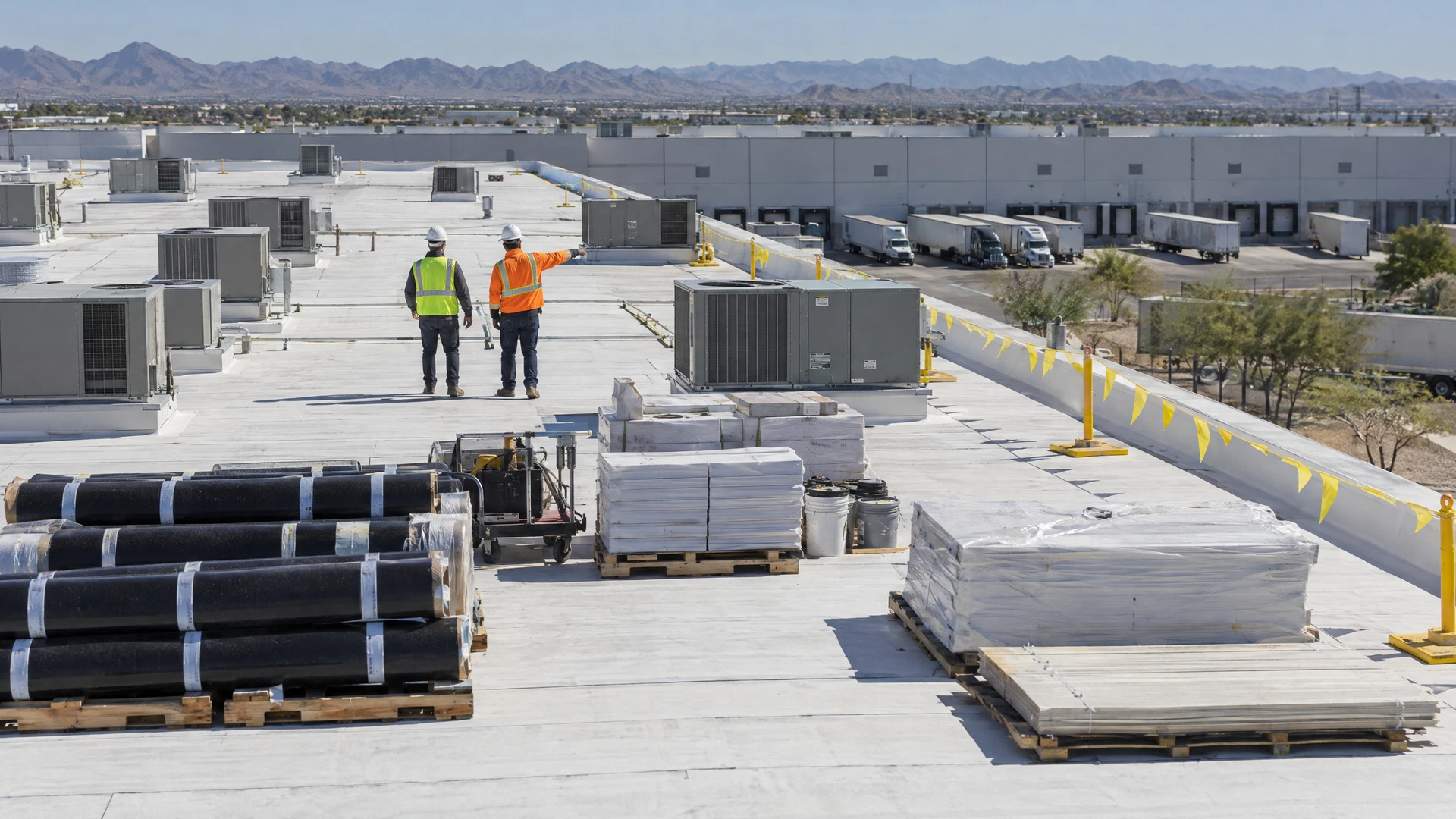
Start With Roof Condition
Queen Creek identifies rooftops as surfaces that generate stormwater runoff and describes post-construction stormwater management as part of its program. That is a useful reason to keep drains, scuppers, water paths, and good jobsite practices in the roof conversation. It does not mean a roof coating solves site drainage or replaces regulatory review.
Local planning reference: Town of Queen Creek stormwater pollution prevention.
Roof drains, scuppers, debris, low areas, and water paths should be reviewed before restoration. Surface preparation should keep contaminants and loose material out of the work.
The Town of Queen Creek’s facilities program emphasizes inspection, repair, and preventive maintenance across building systems. A commercial roof review works best when it includes equipment access and known repair history.
Fasteners, seams, panel laps, corrosion, roof edges, curbs, and penetrations need repair decisions before metal restoration is specified.
An older coating may need cleaning, adhesion review, repair, primer, or a different system. Its condition cannot be assumed from its color or age.
Inspection Detail
For Queen Creek Roof Coating, the roof walk connects drainage and housekeeping, facility maintenance, metal roof repairs, and existing coating condition. A roof field can look serviceable from the ground while the water entry or repair boundary sits at a curb, drain, edge, seam, fastener, or equipment transition. Dividing the roof into field areas and detail zones helps place repair work where it belongs before a coating system is considered.
The material decision stays tied to what is actually on the building. The selected system needs a stable surface, an honest repair scope, workable access, and conditions that meet its product requirements. When a roof has more than one material or repair history, the review can identify where preparation changes between sections rather than treating the whole property as one surface.
Restoration Decision
Coating benefits should be tied to a roof that is actually ready for the selected work. Preparation, repair, drainage, system fit, application, and future maintenance remain part of the result.
For a sound candidate, a coating system can be reviewed as a way to restore the roof surface while retaining much of the existing assembly. The result depends on repair, preparation, compatibility, and product requirements.
A condition-led plan can make roof drainage, equipment access, surface cleaning, detail repairs, and protective work zones part of the same discussion before material is applied.
A prepared liquid-applied system can form a continuous field surface, while seams, curbs, drains, flashing, and penetrations receive distinct system-specific attention.
System Selection
Commercial Roof Coating Options for Chandler include metal restoration, silicone, acrylic, spray foam roofing, and shingle evaluation. A Queen Creek roof does not receive a material because of geography. The assembly, water exposure, moisture, repair history, adhesion, slope, equipment, and manufacturer direction control the choice.
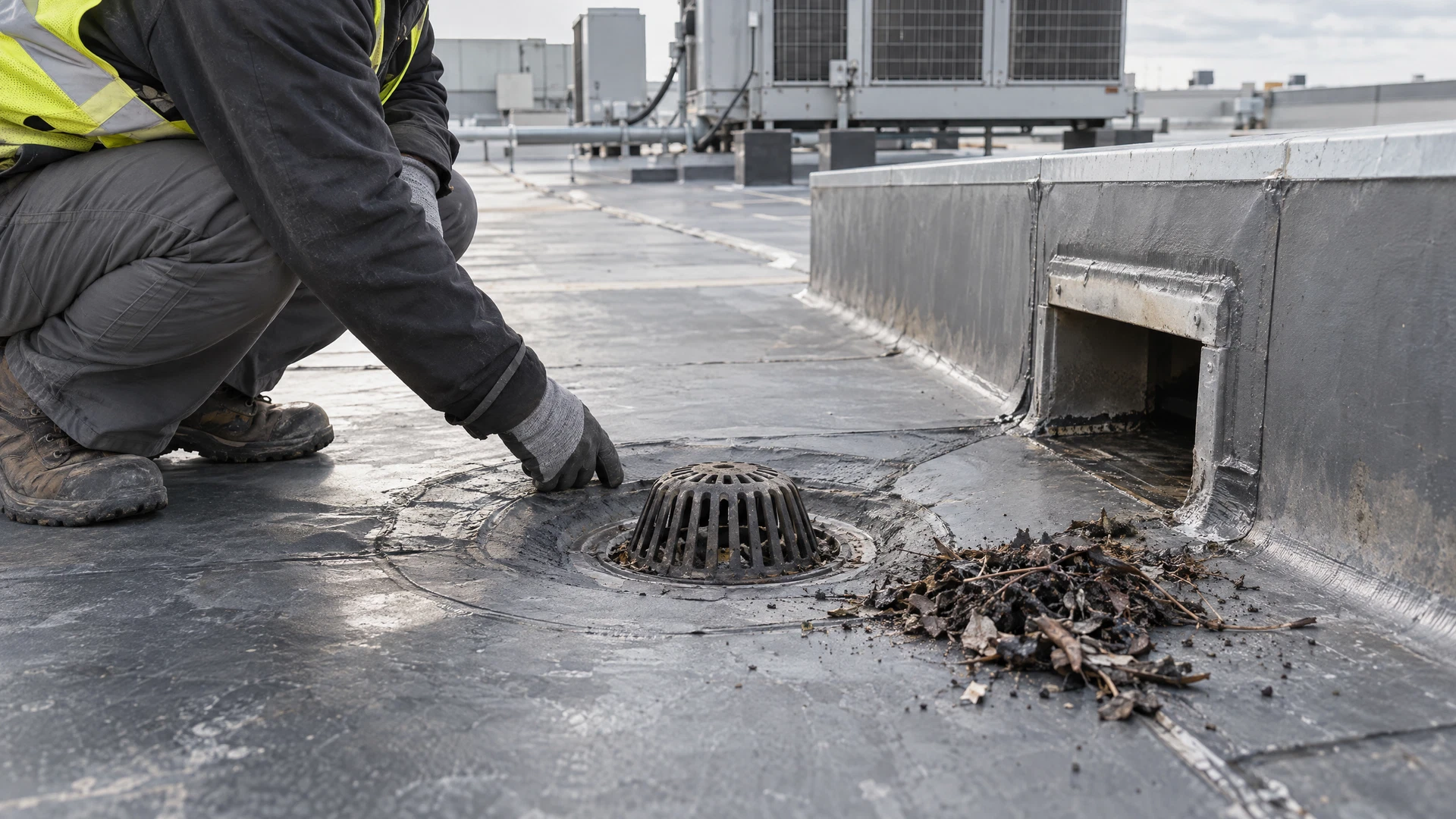
Roof drains, scuppers, debris, low areas, and water paths should be reviewed before restoration. Surface preparation should keep contaminants and loose material out of the work. The selected material also needs to account for facility maintenance and metal roof repairs.
For commercial metal panels with seams, fasteners, corrosion, and penetration details that need review before restoration.
For suitable low-slope roof assemblies where substrate condition, drainage, and detail work guide the system choice.
For compatible commercial roofs that need a product-specific review of surface preparation, weather, and reflective finish options.
For a spray-applied roofing system that requires controlled substrate preparation, equipment protection, and a protective topcoat.
For a careful commercial assembly review when asphalt shingles or another shingle-like surface is part of the roof decision.
Work Sequence
The scope starts with the roof you have and follows a clear sequence through inspection, repairs, preparation, detailing, and system-specific application.
Identify material, prior coatings, water entry, ponding, drains, seams, fasteners, flashings, penetrations, equipment, traffic paths, and access limitations.
Review the roof field and detail areas together. Determine whether moisture, failed material, drainage, or repair work changes the coating candidacy.
Correct repairable defects, clean the roof to the selected system requirements, remove loose material, and allow the prepared surface to dry.
Give drains, scuppers, curbs, flashing, penetrations, seams, fasteners, and equipment transitions their own planned treatment before field application.
Use the selected system’s application controls and keep future equipment service, drain cleaning, and roof inspection access in mind.
Active Property Planning
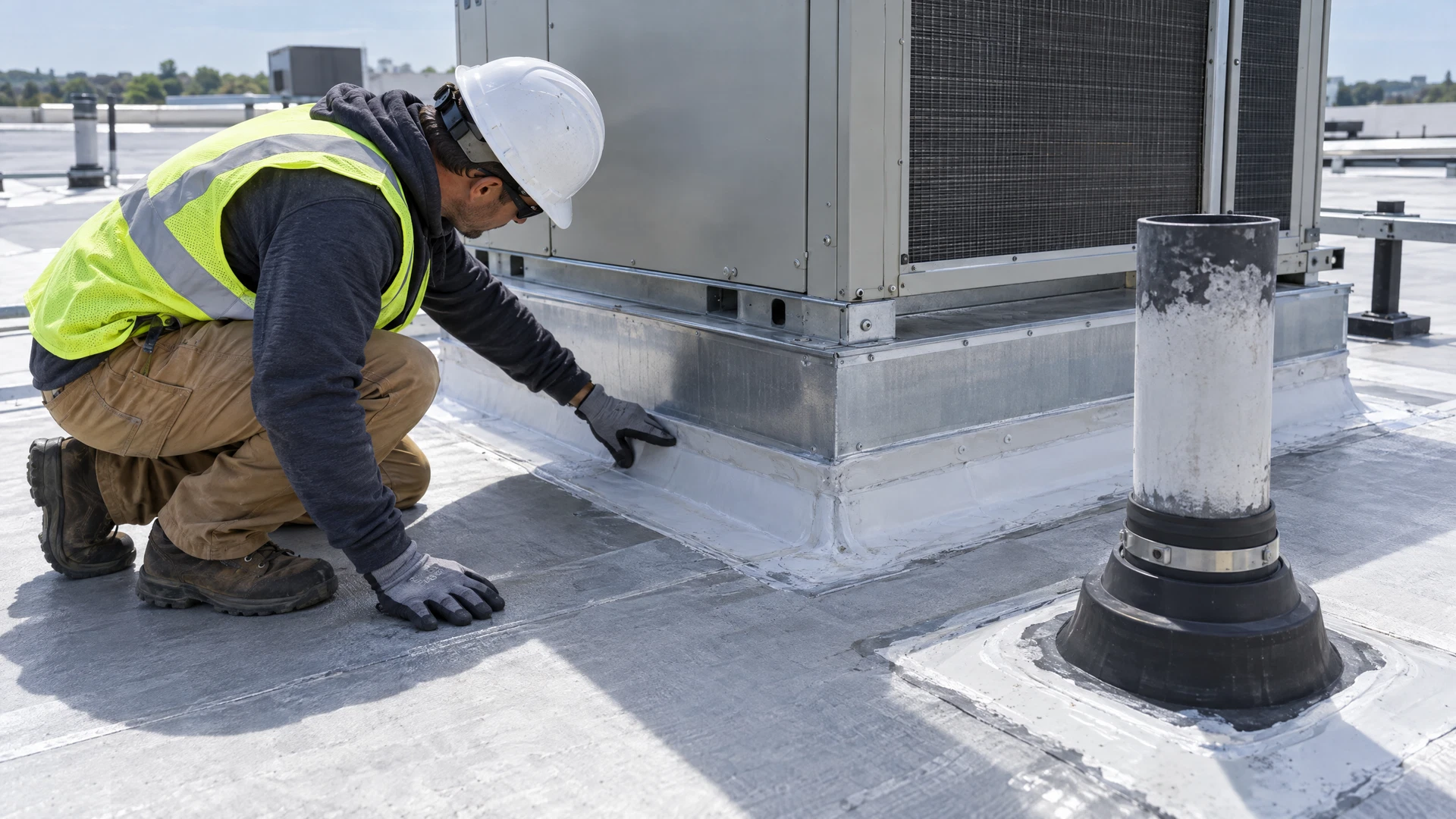
Queen Creek’s Facilities Division describes inspections, repairs, and preventive maintenance across town properties. That is not a comparison to a private building, but it illustrates why roof work should be coordinated with HVAC, electrical, plumbing, access, and other facility responsibilities.
For projects that involve broader site disturbance, owners and developers should verify applicable requirements with the Town and relevant agencies. Roof maintenance and a construction-stormwater obligation are not the same conclusion.
Common Roof Questions
The answer depends on the roof assembly and conditions. These questions help identify what should be inspected before work is selected.
The roof may need a drainage and system review before coating is considered. A selected system can have different water-exposure capabilities, but coating does not automatically correct the reason water remains.
Loose fasteners, damaged sheet metal, failed sealant, open seams, corroded areas, flashing, curbs, drains, and penetrations should be reviewed and repaired as the roof scope requires.
HVAC curbs, service routes, pipes, drains, intakes, and equipment clearances add detail and access requirements. They should be mapped before the coating method and staging are planned.
Possibly, if the existing material is identified, sound, compatible, clean, and properly prepared. An adhesion review can show whether primer, repair, or another approach is needed.
The source and extent need assessment. Wet or failing areas should be addressed before a new coating layer is applied over the roof.
Commercial Properties Only
Discuss the commercial roof, known problem areas, equipment access, drainage, and building schedule. The selected work follows the roof inspection and system requirements.