Installed Asphalt Shingles
Installed shingles have their own ventilation, moisture, and material considerations. A coating should not be assumed suitable because other commercial roof assemblies can receive liquid-applied systems.
Commercial Roof Coating · Chandler, AZ
Shingle Roof Coating requires an unusually narrow commercial roof review. Field-applied coating over installed asphalt shingles is not automatically appropriate, and manufacturer guidance can warn against it. The roof assembly, shingle condition, ventilation, moisture, deck condition, flashing, drainage, and a manufacturer-approved system must be established before a coating claim is made.
Start With Roof Condition
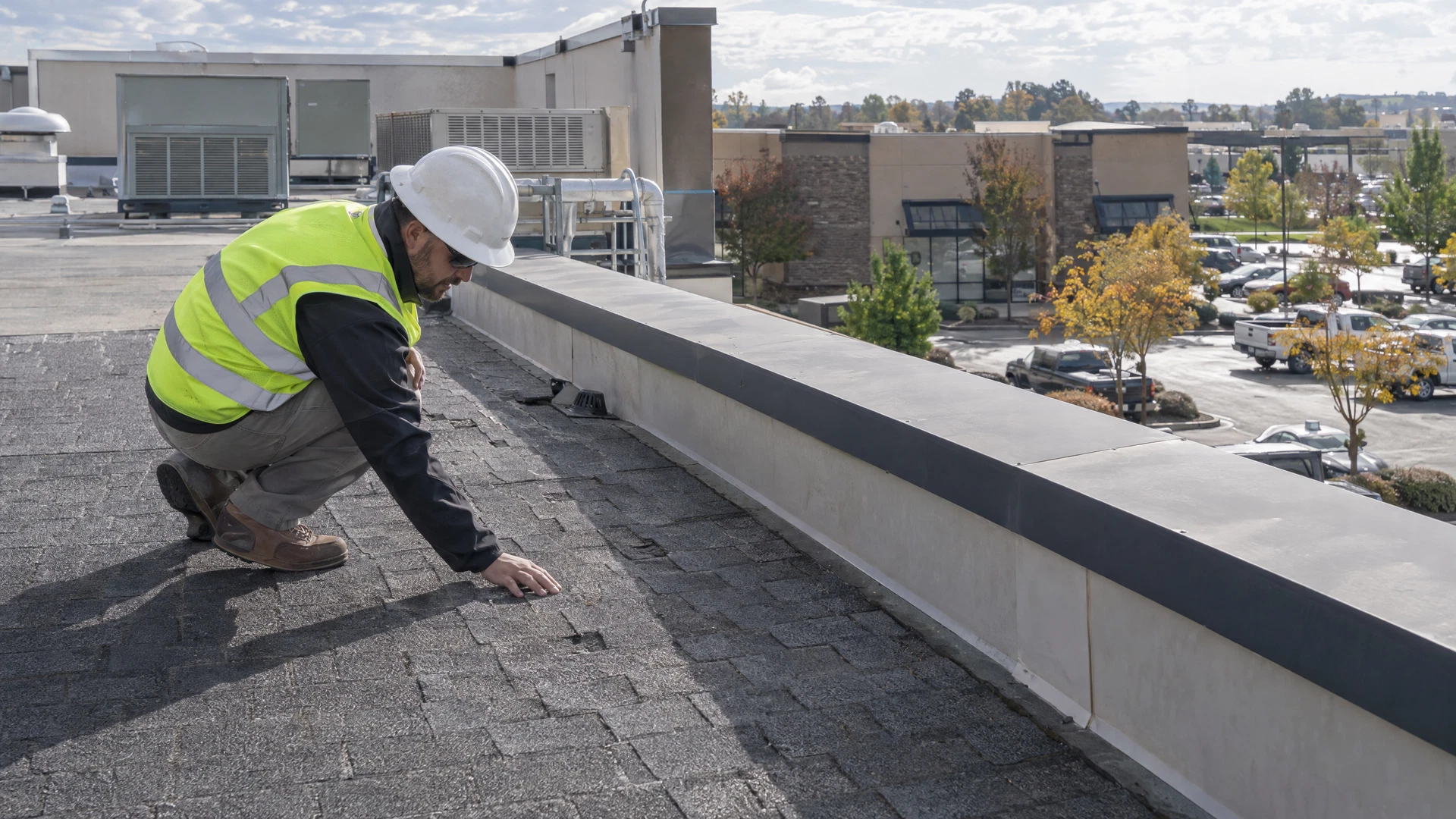
The roof review has to stay honest about suitability and alternatives. An installed asphalt-shingle roof should not be treated like a low-slope membrane or a metal panel roof. When a coating path is not supported, repair, replacement, or another compatible roof-system review may be the more responsible choice.
Local planning reference: City of Chandler Building Safety.
Installed shingles have their own ventilation, moisture, and material considerations. A coating should not be assumed suitable because other commercial roof assemblies can receive liquid-applied systems.
Soft decking, wet insulation, trapped moisture, missing or brittle shingles, and concealed damage can change the entire decision. These conditions need investigation rather than a surface cover.
Wall transitions, vents, curbs, drains, rooftop equipment, and flashing can be water-entry points. They need condition review before any material is selected.
A commercial project needs current, product-specific confirmation for the actual roof assembly. A generic coating category is not a manufacturer approval for installed shingles.
Inspection Detail
For Chandler Shingle Roof Coating, the roof walk connects installed asphalt shingles, moisture and deck condition, flashing and penetrations, and manufacturer approval. A roof field can look serviceable from the ground while the water entry or repair boundary sits at a curb, drain, edge, seam, fastener, or equipment transition. Dividing the roof into field areas and detail zones helps place repair work where it belongs before a coating system is considered.
The material decision stays tied to what is actually on the building. The selected system needs a stable surface, an honest repair scope, workable access, and conditions that meet its product requirements. When a roof has more than one material or repair history, the review can identify where preparation changes between sections rather than treating the whole property as one surface.
Restoration Decision
Coating benefits should be tied to a roof that is actually ready for the selected work. Preparation, repair, drainage, system fit, application, and future maintenance remain part of the result.
On a compatible, structurally sound commercial roof system, restoration can sometimes reduce tear-off activity and create a continuous weathering layer. That possibility does not make installed asphalt shingles a default coating candidate.
A candid suitability review can prevent a property team from trying to solve ventilation, moisture, deck, flashing, or shingle failure with a surface treatment that does not match the assembly.
A clear alternatives discussion helps separate a legitimate coating path for a compatible roof from repair or replacement work that needs to happen first.
System Selection
The Chandler lineup includes Metal Roof Coating, Silicone Roof Coating, Acrylic Roof Coating, Spray Foam Roofing, and Shingle Roof Coating. The listed shingle service is not a promise to coat every shingle assembly. Metal, low-slope membrane, existing foam, and compatible asphaltic systems must each be considered under their own product requirements.
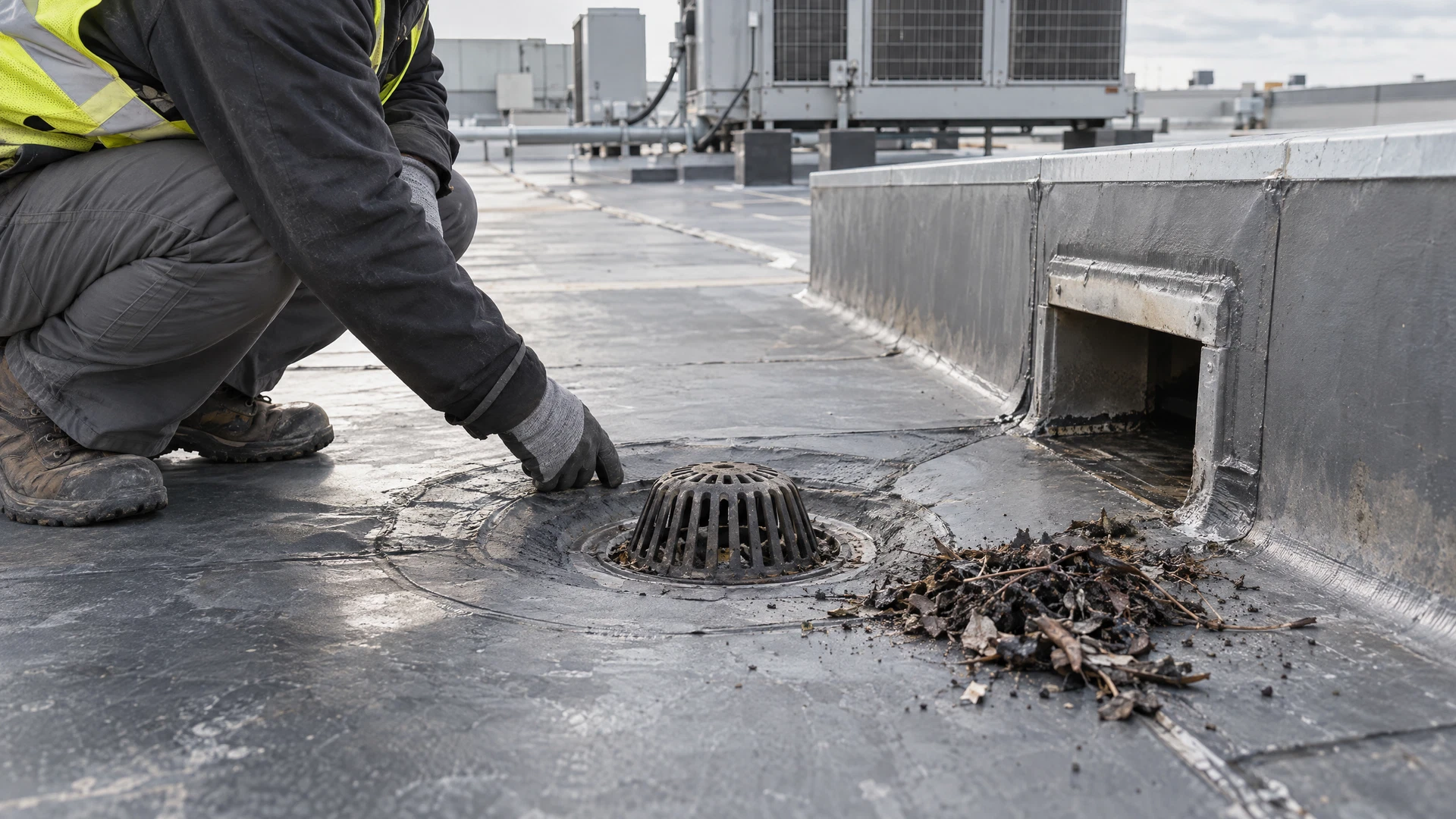
Installed shingles have their own ventilation, moisture, and material considerations. A coating should not be assumed suitable because other commercial roof assemblies can receive liquid-applied systems. The selected material also needs to account for moisture and deck condition and flashing and penetrations.
For commercial metal panels with seams, fasteners, corrosion, and penetration details that need review before restoration.
For suitable low-slope roof assemblies where substrate condition, drainage, and detail work guide the system choice.
For compatible commercial roofs that need a product-specific review of surface preparation, weather, and reflective finish options.
For a spray-applied roofing system that requires controlled substrate preparation, equipment protection, and a protective topcoat.
For a careful commercial assembly review when asphalt shingles or another shingle-like surface is part of the roof decision.
Work Sequence
The scope starts with the roof you have and follows a clear sequence through inspection, repairs, preparation, detailing, and system-specific application.
Identify whether the roof is installed asphalt shingles, a compatible low-slope asphaltic assembly, another material, or a mixed system. Check condition, water entry, moisture, ventilation, deck, flashing, drains, equipment, and access.
Compare the installed assembly with current manufacturer guidance. If a field-applied coating path is not supported, do not treat coating as the answer.
Repair or investigate wet materials, damaged deck areas, failed flashing, water entry, brittle or missing shingles, drainage concerns, and other assembly issues before choosing a roof direction.
For a non-shingle compatible assembly, confirm product direction, cleaning, adhesion, primer, seam work, drainage, and detail requirements before application.
Use a selected manufacturer-approved system for the actual roof type. Keep the distinction between a compatible restoration system and installed shingles clear.
Active Property Planning
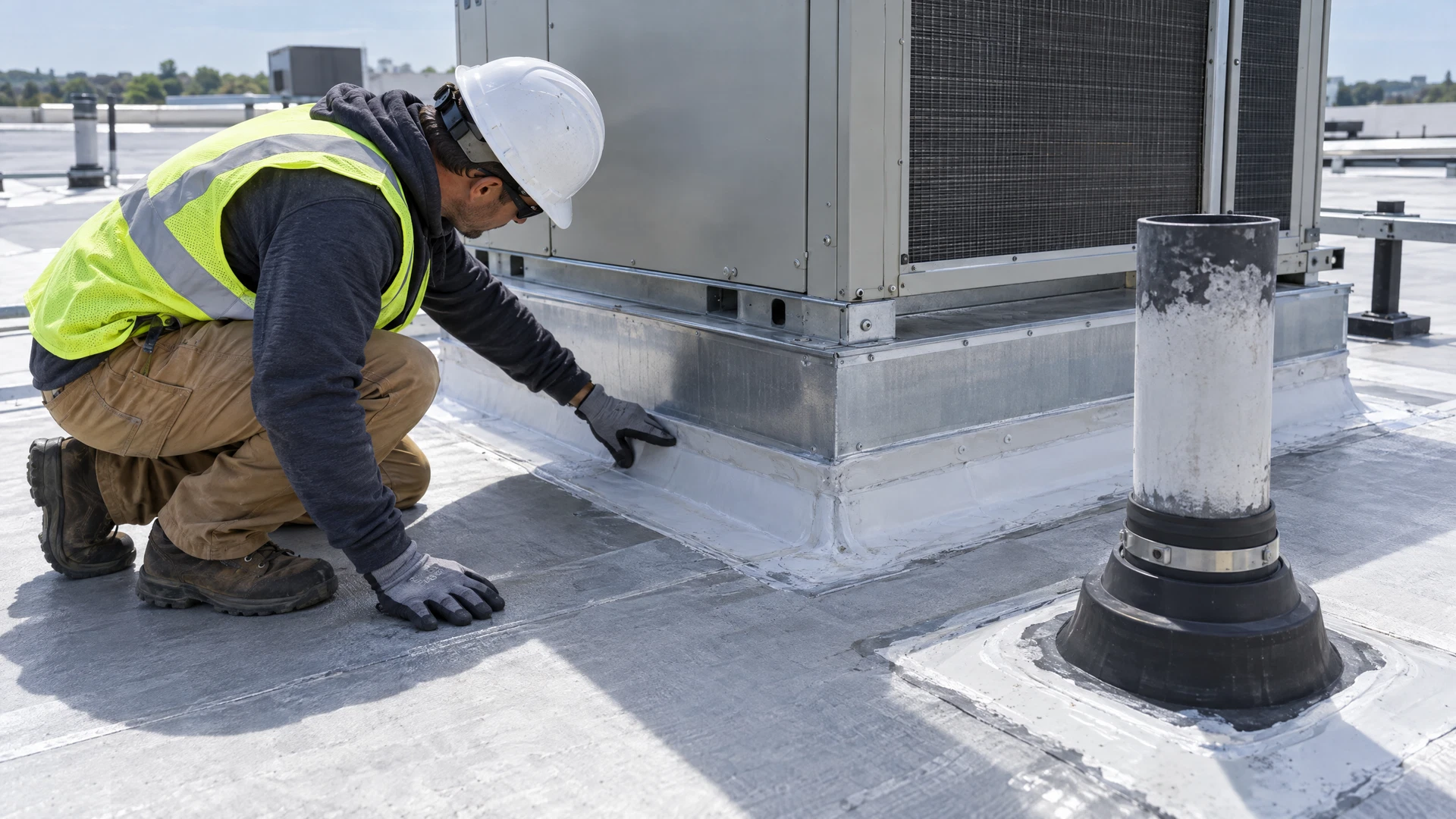
Shingle roof work on a commercial building can still involve rooftop equipment, drains, wall transitions, access routes, loading areas, and active occupancy. The project plan should account for those building factors without pretending a coating fixes the underlying assembly.
Chandler Building Safety handles plan review, permits, and inspections for development projects. Commercial owners should verify the applicable scope and requirements with the city rather than relying on a general permit conclusion.
Common Roof Questions
The answer depends on the roof assembly and conditions. These questions help identify what should be inspected before work is selected.
Do not assume so. Installed shingles need a manufacturer-led review because a liquid-applied coating path can be unsuitable for the assembly, ventilation, moisture, and material condition.
No. A compatible asphaltic low-slope roof assembly is not automatically the same as installed asphalt shingles. The exact existing material and product direction matter.
The leak locations and causes still need investigation. Flashing, penetrations, missing materials, deck issues, drainage, and moisture can affect whether repair or another roof path is appropriate.
They affect the assembly below the surface. A coating should not trap or conceal a roof problem that involves wet materials, improper airflow, or deterioration.
It may be when the installed shingle assembly is not coating-compatible, the roof has widespread deterioration, wet substrate, structural concerns, or defects beyond a repairable restoration scope.
Commercial Properties Only
Discuss the commercial roof, known problem areas, equipment access, drainage, and building schedule. The selected work follows the roof inspection and system requirements.