Roof Assembly
Metal panels, low-slope membranes, previously coated surfaces, spray foam, and shingle assemblies all have different compatibility questions.
Commercial Roof Coating · Chandler, AZ
Chandler Roof Coating focuses on commercial roof coating decisions for property owners, building owners, and facility managers. The service discussion begins with the existing roof: what it is made of, where it is failing, what can be repaired, and whether a selected system has a sound base.
Start With Roof Condition
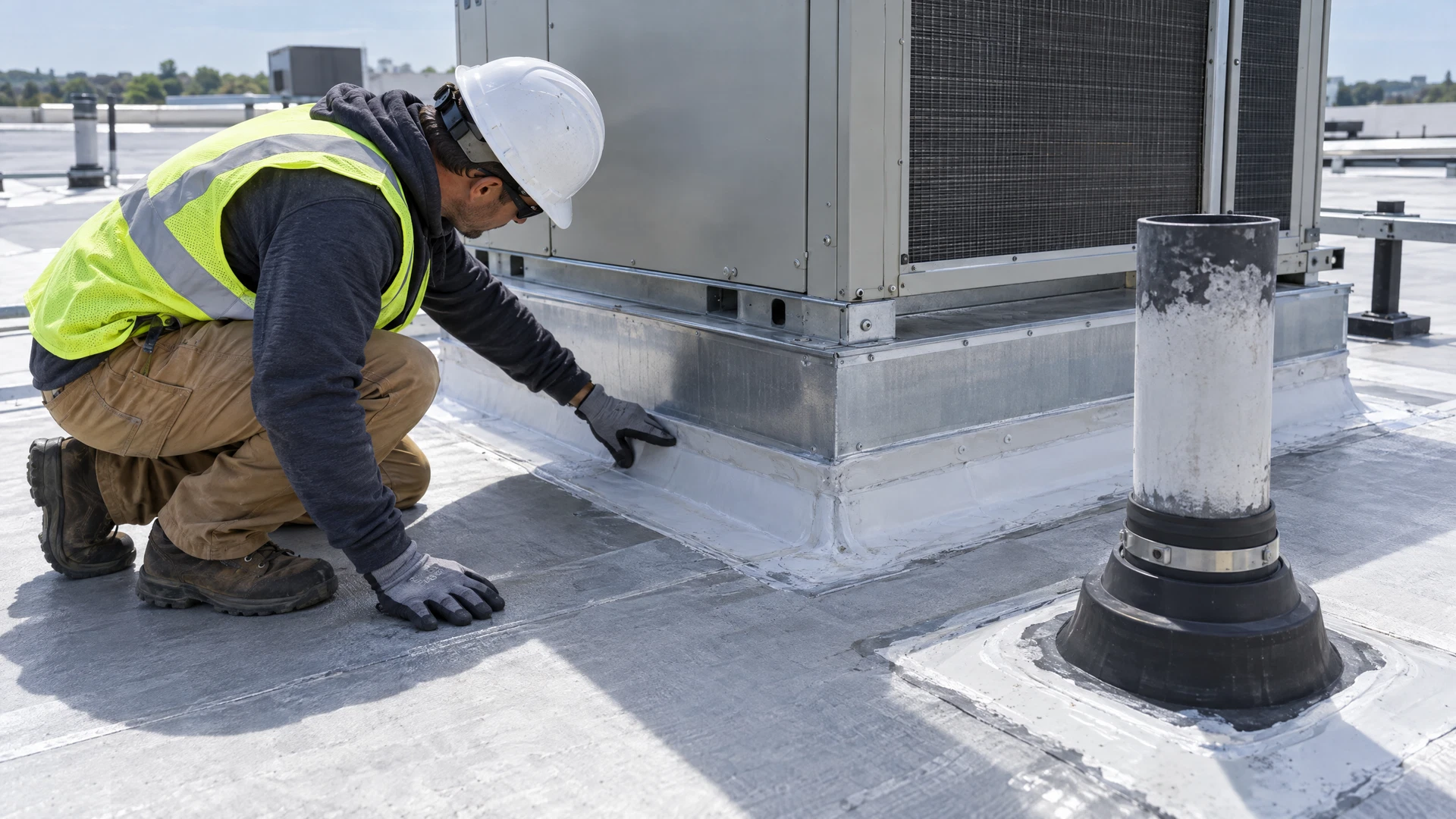
A useful roof decision is built from observable details. Seams, fasteners, flashing, drains, penetration points, old patches, water paths, substrate condition, rooftop equipment, and future access all affect whether restoration makes sense.
Local planning reference: City of Chandler Building Safety guidance.
Metal panels, low-slope membranes, previously coated surfaces, spray foam, and shingle assemblies all have different compatibility questions.
A coating may be part of a roof solution after repairable defects are addressed. It should not be used to hide wet materials, structural failure, or unresolved water entry.
Cleaning, drying, adhesion review, primer selection, seam treatment, flashing work, and detail repairs depend on the actual assembly and product direction.
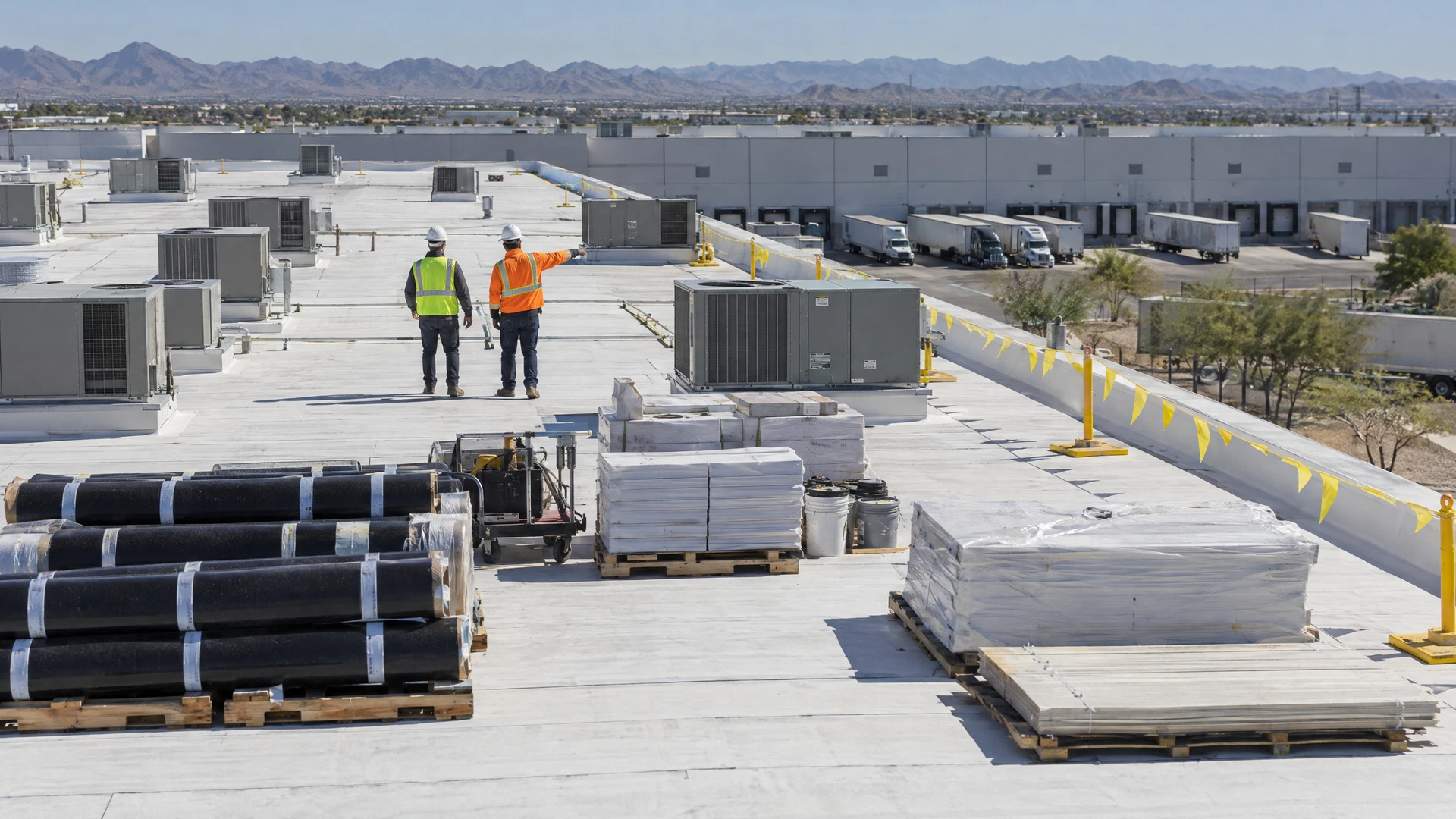
Mechanical equipment, air intakes, tenants, loading, equipment service, roof hatches, and access routes should be mapped before the work is planned.
Inspection Detail
For Chandler Roof Coating Company, the roof walk connects roof assembly, repair boundary, preparation needs, and building operations. A roof field can look serviceable from the ground while the water entry or repair boundary sits at a curb, drain, edge, seam, fastener, or equipment transition. Dividing the roof into field areas and detail zones helps place repair work where it belongs before a coating system is considered.
The material decision stays tied to what is actually on the building. The selected system needs a stable surface, an honest repair scope, workable access, and conditions that meet its product requirements. When a roof has more than one material or repair history, the review can identify where preparation changes between sections rather than treating the whole property as one surface.
Restoration Decision
Coating benefits should be tied to a roof that is actually ready for the selected work. Preparation, repair, drainage, system fit, application, and future maintenance remain part of the result.
A condition-led approach helps the property team understand why a material is being considered instead of relying on a broad promise about coating.
When an existing roof is a viable restoration candidate, keeping it in place may reduce the need for an immediate full tear-off. The roof condition and repair scope control that possibility.
Clear preparation and access planning can reduce surprises around drains, equipment, flashings, work zones, and future maintenance routes.
System Selection
The approved service lineup gives commercial properties a way to explore metal coating, silicone coating, acrylic coating, spray foam roofing, and shingle roof evaluation. The selection is made after the roof is inspected. A silicone option is not automatically right for a metal roof; an acrylic option is not automatically right for every membrane; and a shingle surface is not assumed suitable simply because coating is being considered.
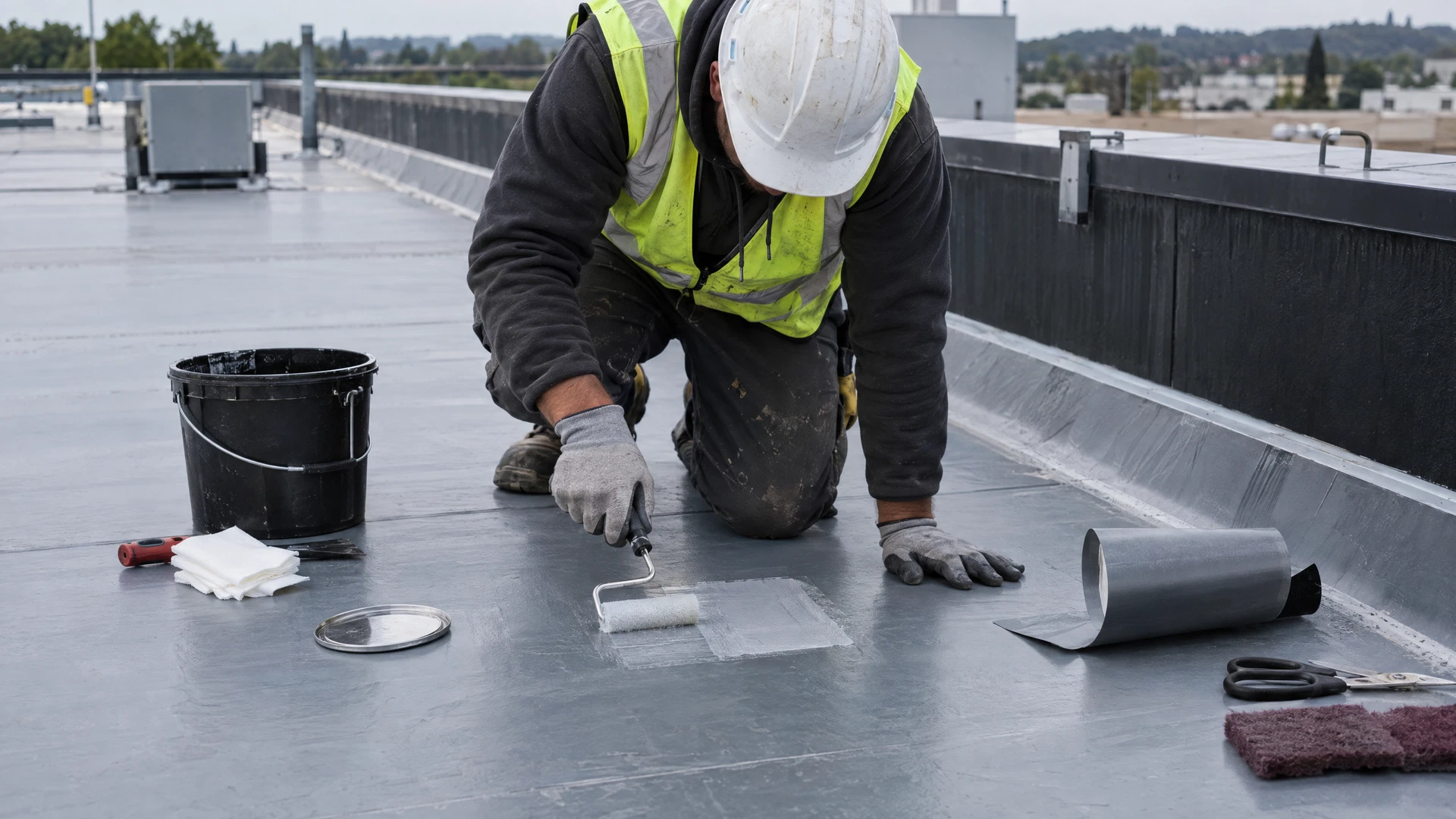
Metal panels, low-slope membranes, previously coated surfaces, spray foam, and shingle assemblies all have different compatibility questions. The selected material also needs to account for repair boundary and preparation needs.
For commercial metal panels with seams, fasteners, corrosion, and penetration details that need review before restoration.
For suitable low-slope roof assemblies where substrate condition, drainage, and detail work guide the system choice.
For compatible commercial roofs that need a product-specific review of surface preparation, weather, and reflective finish options.
For a spray-applied roofing system that requires controlled substrate preparation, equipment protection, and a protective topcoat.
For a careful commercial assembly review when asphalt shingles or another shingle-like surface is part of the roof decision.
Work Sequence
The scope starts with the roof you have and follows a clear sequence through inspection, repairs, preparation, detailing, and system-specific application.
Start with the assembly, roof sections, water entry symptoms, drain paths, rooftop details, access points, past repairs, and coating history.
Separate defects that can be prepared for restoration from wet, unstable, badly damaged, or incompatible areas that need another course of action.
Compare the findings with applicable manufacturer requirements and confirm whether cleaning, primer, detail work, testing, or an alternate approach is needed.
Coordinate roof access, equipment clearances, loading areas, tenant activity, and any building operations that should be protected during the work.
Use the selected system’s required preparation, detailing, application, and weather controls. Keep post-work inspection and future maintenance access in view.
Active Property Planning
The City of Chandler states that Building Safety reviews plans, issues permits, and conducts inspections for development projects. The city also notes that plans submitted for review on or after July 1, 2025 must comply with its adopted and amended 2024 International Codes. Permit needs depend on scope, so the right question is which requirements apply to the particular work.
The work discussion stays practical: what is on the roof, what has to be repaired first, what needs to remain accessible, and which service option can honestly be considered.
Common Roof Questions
The answer depends on the roof assembly and conditions. These questions help identify what should be inspected before work is selected.
It looks at the roof assembly, damage, seams, fasteners, flashings, drains, penetrations, prior repairs, moisture indicators, rooftop equipment, access, and compatibility with a possible system.
No. A photograph may show symptoms, but it cannot confirm adhesion, moisture, substrate condition, hidden damage, repair needs, drainage, or system compatibility.
Permit and code questions should be checked before work is scheduled when the scope may involve review or inspection. The City of Chandler is the appropriate source for the project-specific answer.
Equipment creates curbs, pipe penetrations, service paths, drainage interruptions, and access requirements. Those details can affect both preparation and ongoing maintenance.
No. Coating is not a substitute for structural repair, wet-insulation removal, failed substrate correction, or a drainage solution where water continues to collect.
Commercial Properties Only
Discuss the commercial roof, known problem areas, equipment access, drainage, and building schedule. The selected work follows the roof inspection and system requirements.